
Editor’s note: We realize that it’s August. It’s hot and dry, and you’re probably more concerned about fire than rain right now, but this article from Sebastopol’s Permaculture Artisans came across our desk, and we thought it worth reprinting. The main takeaway is this: because it’s August, you still have time to prepare your home and property for what may be very heavy rains this winter, due to the super El Niño forming in the Pacific. We are not reprinting this as an advertisement for Permaculture Artisans, but as a heads-up. Forwarned is forearmed.
By Erik Ohlsen
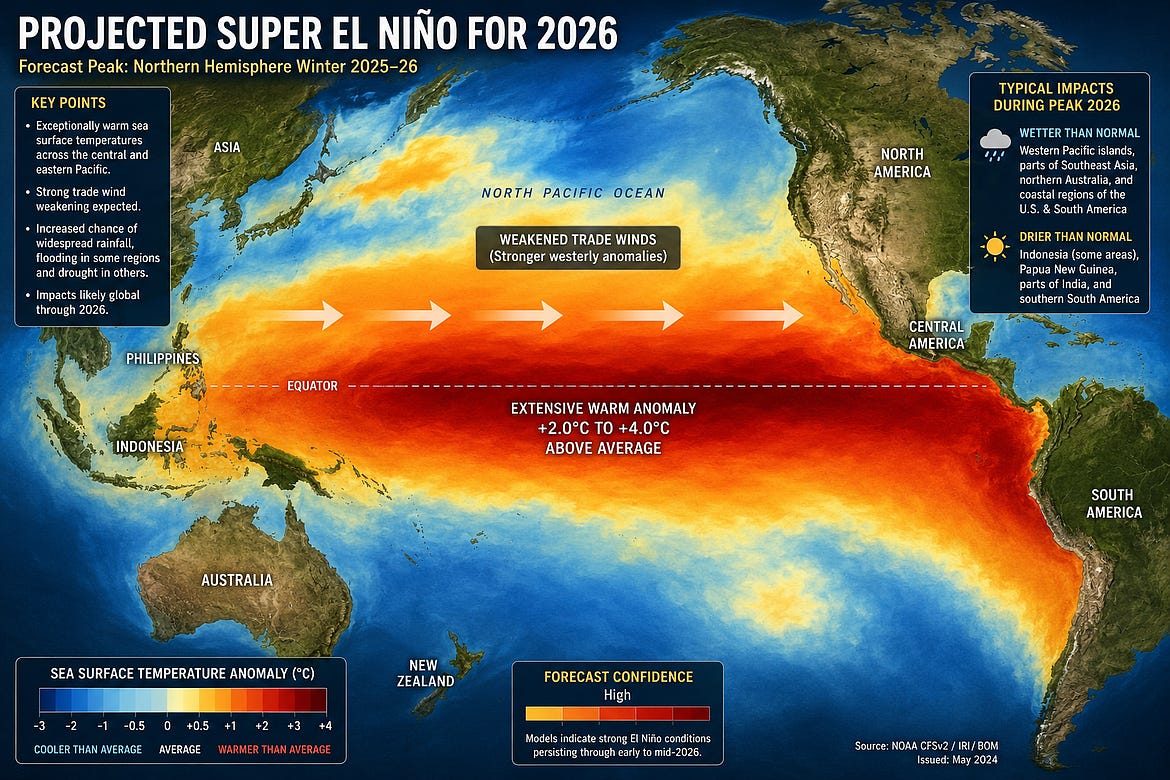
A record-breaking Super El Niño event is taking place in the Pacific Ocean as we speak. With it comes a major threat of catastrophic weather events throughout California this winter. Historically, El Niño events and their impacts have caused major damage throughout the California region, especially in 1982/83 and 2007/08, when we received double the average rainfall. The chance of significant rain events — including the potential for flooding, severe erosion, and catastrophic drainage failure — is probable (but not conclusive) during a big El Niño year, like the one forming right now.
The good news is it’s only August! There’s still plenty of time to assess your land, farm, business, or landscape to ensure you are well prepared for the potential of major storm events.
Below, I outline our approach to preparing for such a season and five specific actions you can take to prepare.
Prepare for the surge
When designing landscapes to handle large storm events, we focus on what we call the “storm surge.” What generally happens when a major storm event occurs is that it tests all of our drainage, water catchment, and flood control measures. Unfortunately, many landscape water management systems are designed for average rain years and, during severe storm seasons, they can be overwhelmed, leading to erosion and flooding.
When water entering a system (drainage or catchment) can’t escape fast enough, this usually means that the water coming into the system is at a higher volume than what is being released from the system. Be it a drain pipe, a rain tank, a pond, or a water harvesting rain garden—all of these systems need to be designed such that a greater volume of water can leave a system faster than the water entering. This allows for the system to handle the storm surge, when enormous volumes of rain dump in short periods of time. These are the moments we design for.
I remember back in 2007/08 when we received 12 inches of rain in 24 hours. An “atmospheric river” sat over us and dumped everything it had. The soil was already saturated. Many drainage and catchment systems failed. Many landscapes, homes, and businesses flooded. I don’t want to see a repeat of that this year. This time we have a chance to mitigate the damage.
The most fragile and dangerous infrastructure we have are drain pipes, culverts, and impervious surfaces like roofs and driveways. These systems have quite a difficult time handling major storm events like those we’ve seen in past El Niño years. This is why the ecological (and intelligent) approach to water management includes major catchment systems like rain gardens, ponds, contour swales, and terraces. These catchment systems, if designed and built correctly, act as “buffers“ to major storm surge events. These systems allow water to move into buffer zones that are designed to handle the ‘12 inches in 24-hours’ event. These earthen structures can intercept the volume of water that pipes and culverts are trying to convey away from roofs, roads, and driveways, and not only absorb the water safely but also recharge aquifers to heal dehydrated and abused landscapes. In fact, it’s this exact combination of catchment, storm-surge buffers. and intelligent drainage that ensures our farms, homesteads, and landscapes can not only handle major rain events, but thrive because of them.
In Permaculture, we utilize a principle called “The Problem is the Solution.” Water inherently is not a problem. Water is liquid gold worth more than nearly anything on earth. Water is life, water is sacred, and how we manage it on our landscapes and farms should reflect honor and care for its sacred powers—its powers to feed us and the Earth, to grow our food, and keep ecosystems green and thriving.
In all seriousness, if you are living in an accelerated-rain-weather portion of the world with the El Niño forecast that is upon us, I urgently advise you to ensure your water management and drainage are intact and built sufficiently to handle what may come this year.
Here are five specific techniques to utilize on the lands you steward, in preparation for major storm events:
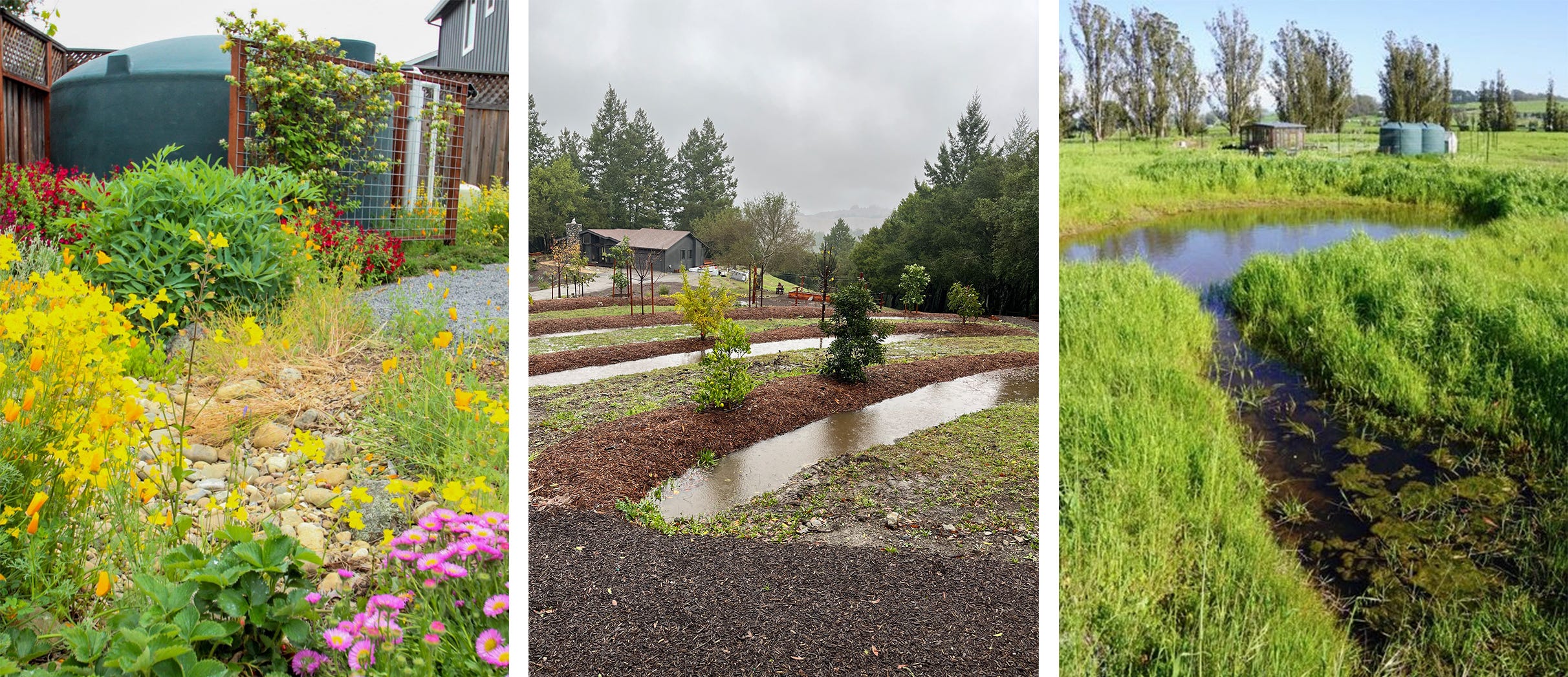
1. STORM SURGE BUFFERS
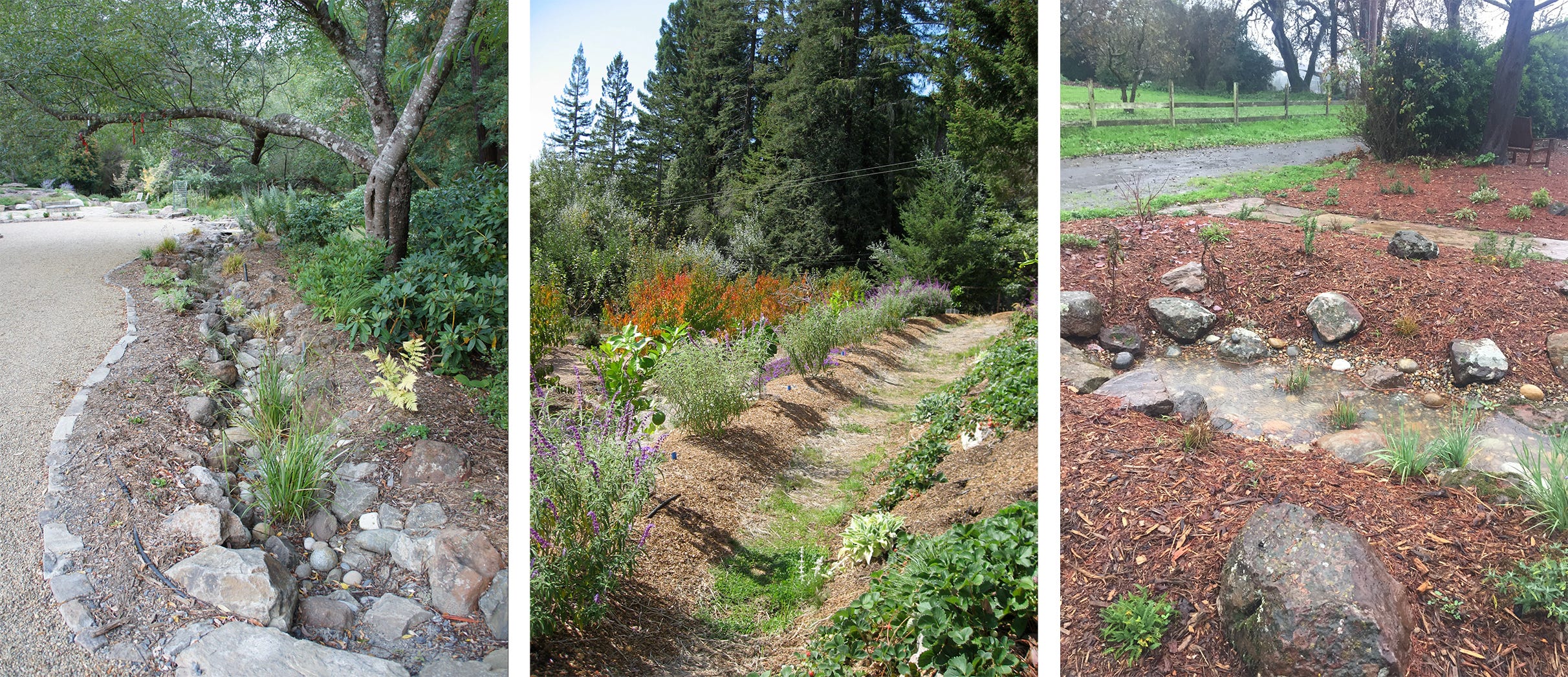
Rain gardens, contour swales, terraces, and other water management systems can receive and infiltrate enormous amounts of water in the landscape. These techniques have been used for thousands of years across the globe to not only manage storm surge events but also increase water availability to landscapes. They provide buffers in storm events, allowing water to rest safely until the storm passes. Structures like these are built in conjunction with piped drainage systems to allow for sophisticated catch-and-release flows of significant volumes of water to protect the land against major storm events.
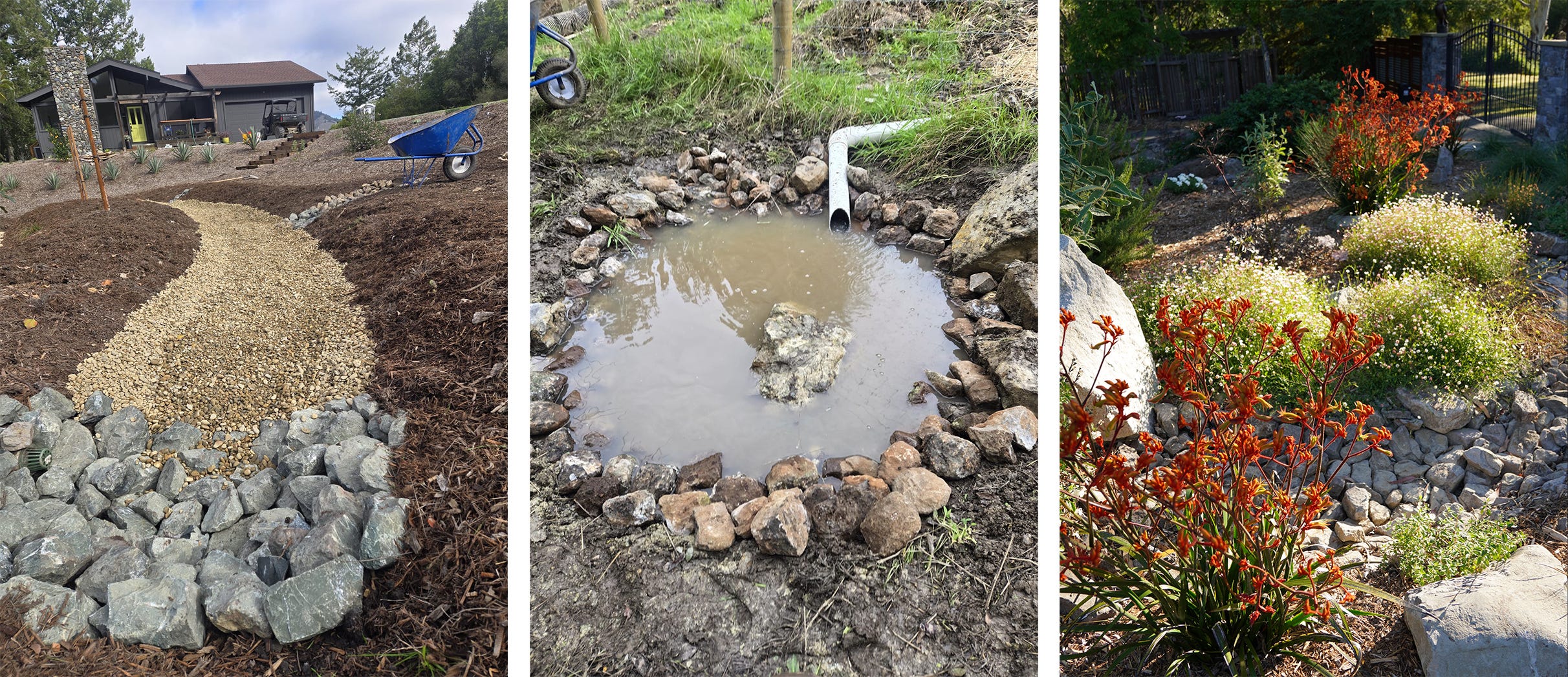
2. STONE ARMORING
Landscapes and farms that rely on surface drain systems, swales, diversion ditches, terraces, rain gardens, and ponds need to look at ensuring water can enter and leave systems safely. The potential for major erosion is extremely high during major El Niño-driven storm events. By correctly armoring inflows and outflows with stone or plants, soil can be kept in place, water quality is kept pure, and water can safely enter and leave your drainage and catchment devices without causing major erosion.
3. CLEANING DRAINAGE SYSTEMS
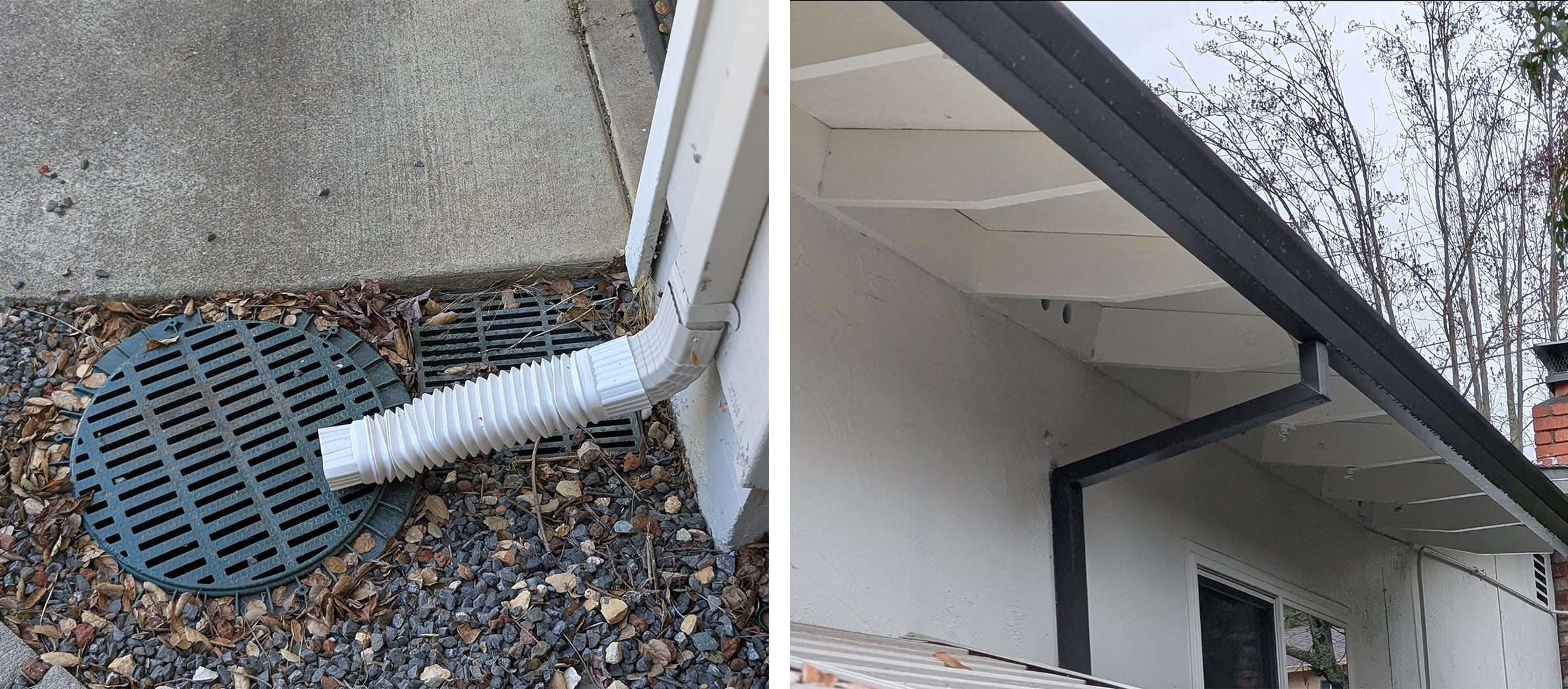
This year, it may be more important than ever to make sure your gutters are fully clean, your culverts have been mucked out, and all of your drainage pipes unclogged, so water can move safely through the systems. Much of the urban flooding that happens during major storm events is caused by clogged pipes (this is why pipes and culverts should not be solely relied on for drainage). So, this year, of all years, ensure all your drainage pipes, culverts, and gutters are well cleaned and ready for the winter.
4. SURFACE WATER RUNOFF
Roofs, driveways, roads, compacted pathways, concrete patios, and all types of impervious surfaces will quickly shed water during rain events. Have a plan for this water! Whether it’s a well-designed drainage system, catchment system, a carbon sponge, or some other technique, don’t assume that water will escape surfaces safely during an El Niño-driven storm event. It’s quite possible that water will move extremely fast, and if it has nowhere to go, it will pond up, flood, or create erosion. Assess these areas specifically and ensure you have a solid and safe plan to let water escape.
5. GULLY STUFFING
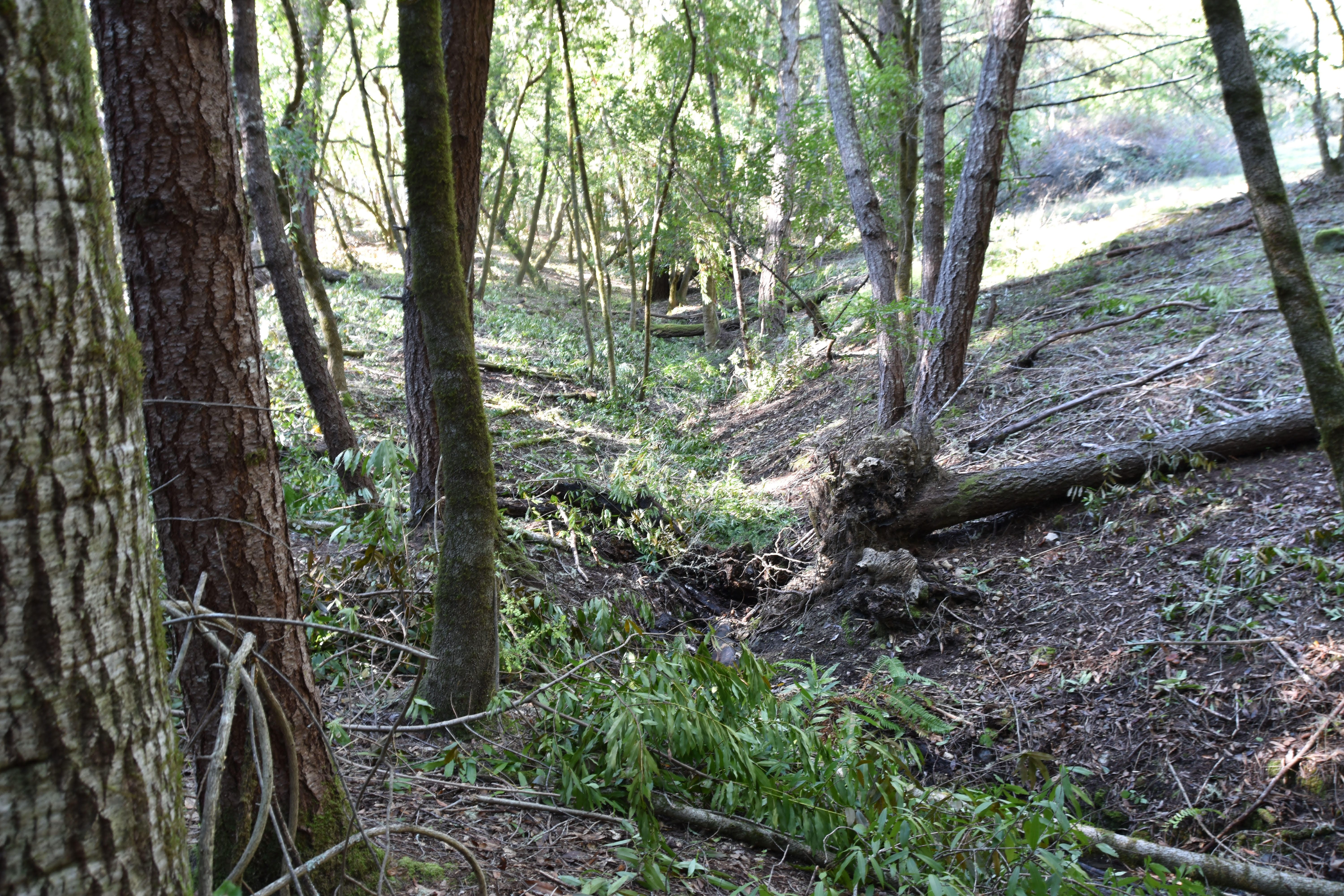
Recently, our dear friend Brock Dolman has been pushing an ancient technique across the state of California. Aptly named “Fuels to Flows,” gully stuffing is an incredible and simple technique to repair erosion gullies ( huge erosion channels, usually fed by culverts) with brush and biomass harvested from woodlands and forests. Why this is so brilliant is because the material being harvested to fill gullies is often posing major fire danger. It is small trees, brush, and branches that are considered “fuel ladders” or “fuel loads” that increase the speed and catastrophic nature of wildfires when they move through these areas. So, working from a fuels-to-flows, gully stuffing approach, we are removing the fire fuels to protect the forest, and then using them to repair erosion systems across the landscape, which inadvertently catch and store water, create habitat, build healthy soil, clean water, and increase water infiltration.
Gully stuffing is also quite effective during storm-surge events, as this material takes the velocity out of the water, keeping it high in the landscape for longer periods of time, preventing flooding and unchecked erosion. Brock Dolman and Occidental Arts and Ecology Center have recently gained more traction in mainstream adoption of this ancient technique. Here at Permaculture Artisans, we have been working with Brock for decades, doing this exact work across the region.
Don’t wait to take action. The worst time to deal with a flood or erosion event is during the event itself. If you’re reading this now, you have a few months to get this figured out and implement a plan.
Erik Ohlsen is founder and owner of Permaculture Artisans, as well as a renowned certified permaculture designer and teacher. He also runs the Permaculture Skills Center in Sebastopol.
Senator Mike McGuire is hosting Super El Niño Town Hall today at 6 pm
Thanks to Tasha Beauchamp for passing this along.
Weather experts agree that a “super” El Niño season is developing this fall. In this community meeting, McGuire and a panel of experts will dive into what weather forecasters project in the coming months and how you can stay informed and keep your family safe during severe weather events.
What: Super El Niño Town Hall - Separating Fact from Fiction
When: 6 p.m. Tuesday, August 4, 2026
Where: Virtual
Who: Senator McGuire, climate researcher Dr. Daniel Swain, Bay Area meteorologist Mark Tamayo, and leadership from the Scripps Institution of Oceanography and the California Office of Emergency Services.
RSVP or send your questions here.
If you need help registering for this event or with any other legislative matter, call McGuire’s office at (707) 576-2771 or email us at Senator.McGuire@senate.ca.gov.
thank you!
THANK YOU for this very informative article!! You're so right..forewarned is forearmed!