

I’ve been writing about Graton happenings and people for the past few years, and I have to say the sleepy village where I once scrounged for stories has become a rising hub of regional excitement and community engagement. It’s not just for Gratonites anymore.
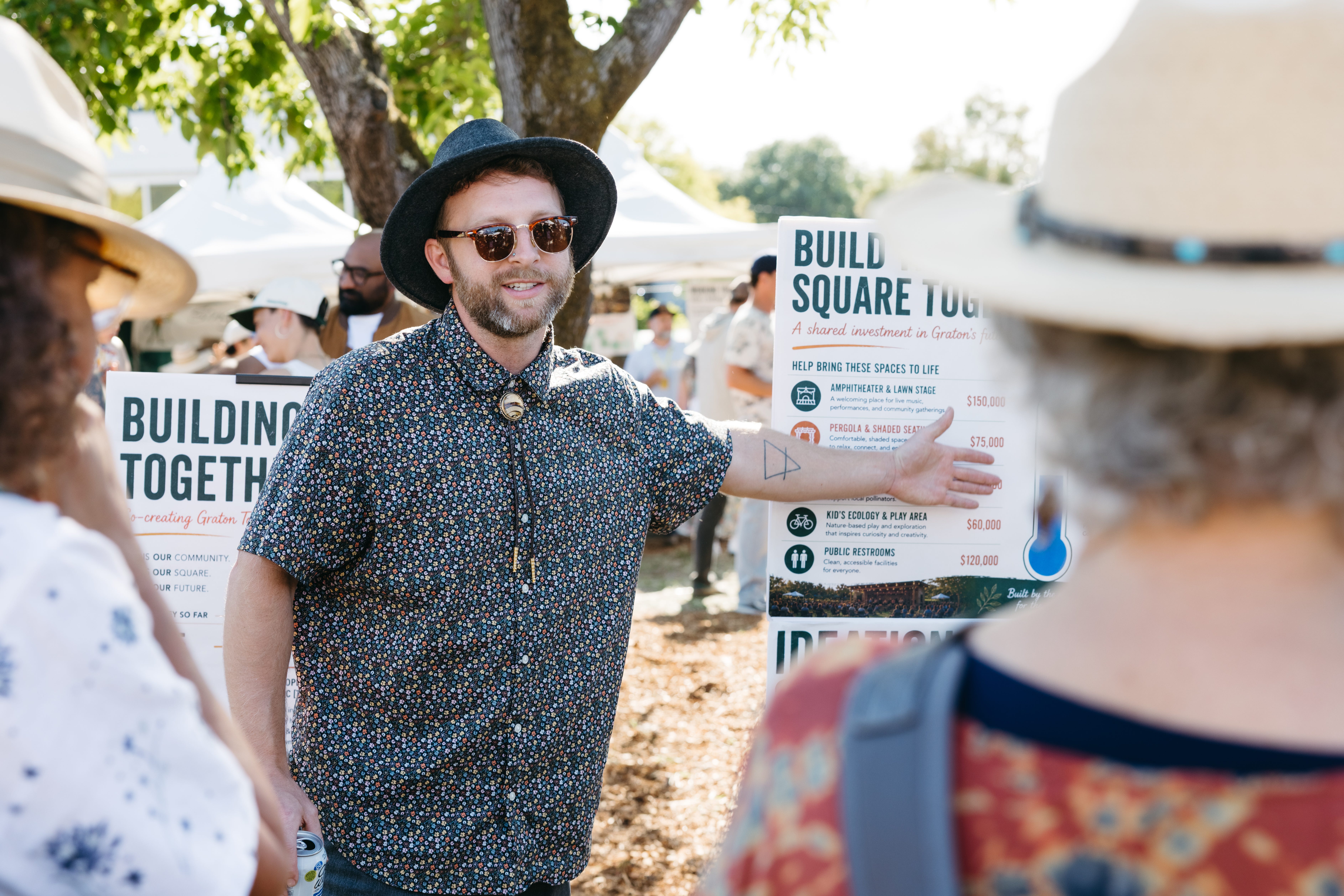
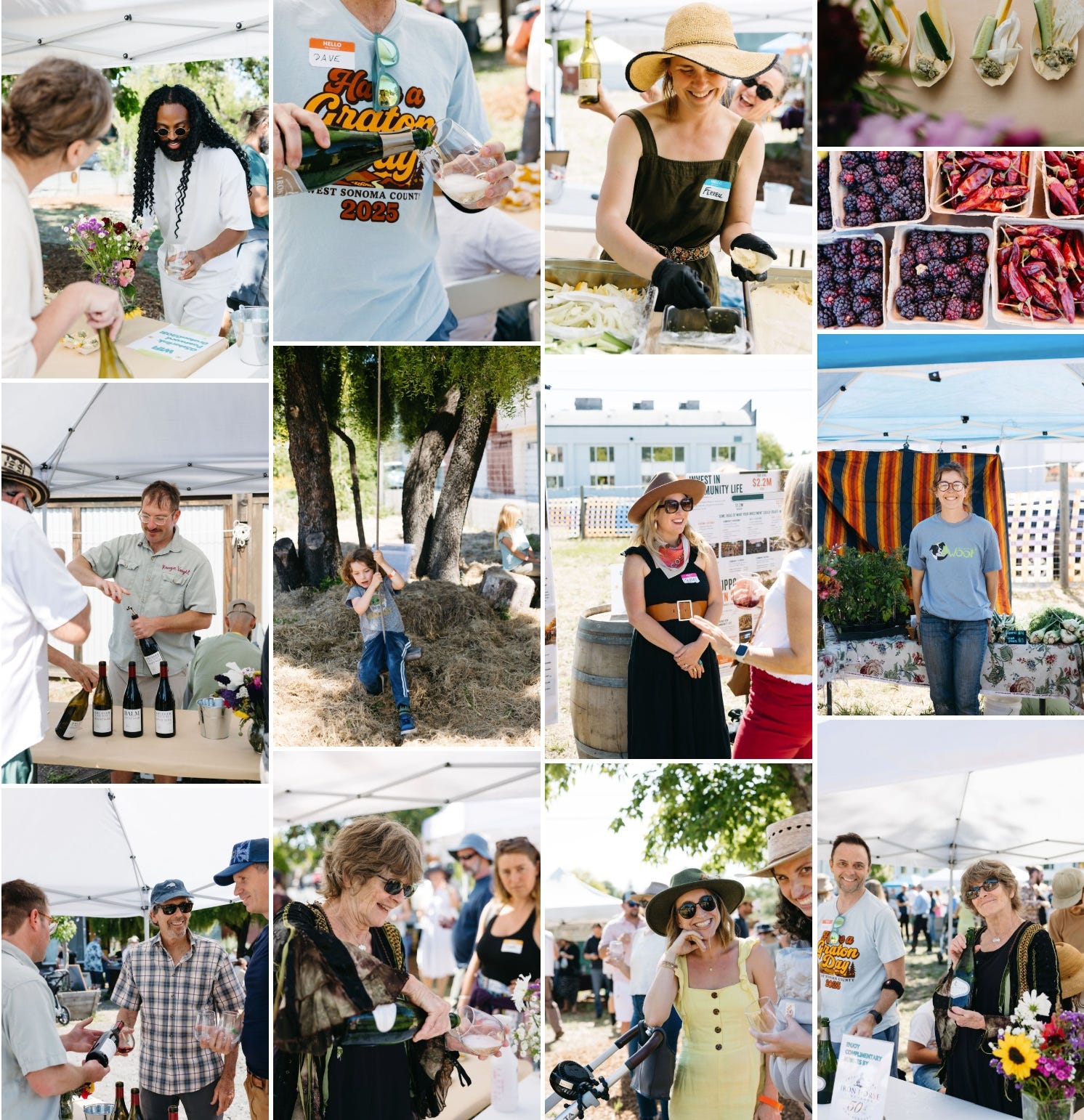
At the Sip and Stroll wine and tasting festival at the Town Square
Under the warm Sonoma County sun, a sold-out crowd of more than 200 neighbors, volunteers, and local business owners gathered at the Graton Town Square last week for a wine and tasting festival that doubled as something far more meaningful: a community declaration that a beloved vacant lot will become a lasting public gathering place for generations to come.
The event, organized by the ReVillage Foundation and the Graton Community Services District (GCSD), brought together elected officials, longtime residents, and corporate sponsors to celebrate progress on the town square project—and to make a passionate push toward raising the $1 million needed to complete it.
After a sip-and-stroll featuring local farm products and premium wineries, the festival-goers gathered at the temporary stage area to hear from the people who made the nascent Town Square a reality.
“This space is for the community, by the community,” said Jennifer Butler, president of the GCSD Board of Directors, visibly moved as she addressed the crowd. “This is a grassroots effort, 100% of the way. We have been so blessed to take a piece of land and create a new legacy for our families, our businesses, our children, our artists, and our musicians.”
The site itself tells a story of transformation. Just a few years ago, the lot—once home to the much-loved Baker Lunch and gas station—sat vacant and fenced off, requiring years of environmental remediation before community efforts could begin. Today, there’s a handmade stage crafted from salvaged wood, community gardens, and a lively event space stand where weeds once grew, each inch built through volunteer labor.
Matt Jorgensen of the ReVillage Foundation, a 501(c)(3) nonprofit focused on public spaces and the local economy in West County, outlined what the community has already accomplished and what comes next. At the end of last year, the organization reached a major milestone: the land was fully paid off and is now permanently held in public ownership. The immediate priority is to raise $30,000 to remove the surrounding fences, complete accessible ADA pathways, add lighting, and open the space to the public by year’s end.
“To do that, we need to raise approximately $30,000, and it sounds like we’re already well on our way toward that goal today,” Jorgensen said. Beyond that, a second phase — estimated at $1 million — will fund a permanent stage, a pergola, a market area, and a children’s play area, turning the square into a long-term community anchor. In fact, $16,000 was raised at the event, which was deliberately priced to encourage participation rather than to simply raise funds. The task is ongoing.
Maxwell Wilmarth, a fourth-generation Gratonian and elected GCSD director, drew laughter and applause with his pitch: “I wonder if you know what the greatest nation on the planet is. It’s Donation.” His humor aside, the message was urgent — by the time he took the stage, a generous early contribution had already brought the remaining fundraising goal down to approximately $990,000.
The event also celebrated the partners and donors who made current progress possible. The Sonoma Land Trust received special recognition for a legacy gift exceeding $25,000, and its representative, Camille Matson, expressed the Trust’s commitment to “nature nearby” and community-driven open spaces. Sonoma County Ag and Open Space, which contributed more than $250,000 as a “village visionary” donor, was also honored. Jen Kuzman of that organization told the crowd that conservation easements on the properties guarantee the square will remain open to the public in perpetuity — “beyond all of us.”
Local businesses Ceilume and Empire West, represented by CFO Sonia Ganash, explained why corporate partnerships matter. A Graton native who grew up in the area and now works next door to the square, Ganash called the project “an exciting vision to make Graton the best hamlet it can be.” She said that having a vibrant outdoor space next to her family business means the same community spirit felt inside the building can now extend outside it.
Community organizer Tori Immel reminded attendees that the square is still a blank canvas, inviting neighbors to dream aloud about what events, programs, and traditions could one day call it home — from lawn chair cinemas to farmers markets to ideas not yet imagined.
ReVillage Board member Lindsay Dyer, who has volunteered hundreds of hours since the project’s earliest days, captured the moment with characteristic warmth: “By being here today, you are already part of the story.”
Donations to the Graton Town Square can be made through the ReVillage Foundation or the Graton Community Services District websites. Volunteer days are held regularly on-site.
And, on another front…
Graton’s Old Firehouse Revival In Full Swing
Graton Station launches a community investment campaign to transform a vacant landmark into West County’s next great gathering place.
“Because every town deserves a living room.”
For 15 years, Graton’s historic firehouse and former railroad station served as an underutilized dream space for George Melo, the owner, and, as his dreams took shape, for the entire community. Then, the great team at ReVillage took over the property, and the dream became a reality. This fall, a new chapter will begin. (ReVillage has also been working to help develop the Town Green, but these are separate projects.)
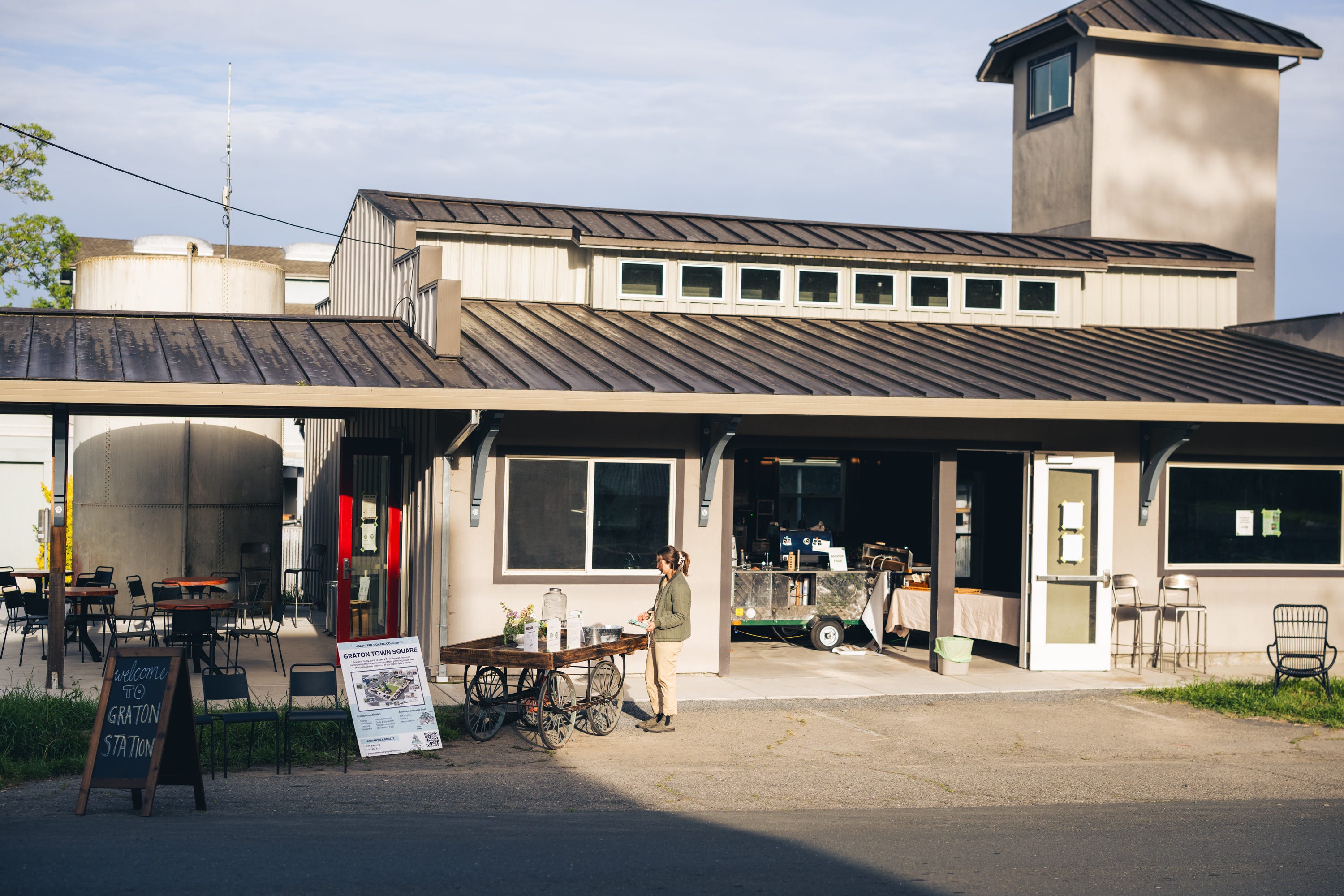
Graton Station, the name of the new facility, has launched a public community investment campaign inviting residents to invest directly in transforming the landmark building into a café, marketplace, and community gathering place in the heart of town.
The campaign allows all of us to invest, starting at $500.
“We’ve heard the same thing for years: ‘Graton needs a coffee shop,’” said co-founder Matt Jorgensen. “But what people are really saying is that they want a place to gather. A place to meet a friend, bring their kids, grab coffee after a bike ride, hear music, or simply feel connected to their community.”
Located directly on the West County Trail and across from the new Graton Town Square, Graton Station is being designed as a modern-day public house: coffee, seasonal food, culture, local goods, and community life under one roof.
But the community-stewardship model may be the most unusual part.
Rather than relying solely on traditional investors (from whom they’ve already raised $750,000 for the core buildout), Graton Station is inviting neighbors and future customers to invest as well.
The campaign is built around a simple idea: What if we moved a little money from Wall Street to West County Main Streets?
“A lot of our investments today go into companies we’ll never meet in places we’ll never visit,” said Jorgensen. “This is the opposite of that. You can walk through the front door and see exactly what your investment helped build.”
According to Jorgenson, “Graton Station is operated as a California benefit corporation rather than a nonprofit, and our current community investment campaign is not a donation campaign—it is an offering of interest-bearing promissory notes to investors.”
The company’s founding documents include a community-elected board seat from day one and a long-term commitment to pursue an eventual “exit to community” model, creating a pathway toward deeper community stewardship once the business is proven and sustainable.
Momentum is already underway.
Construction is active—the outdoor patio, kid play space, and sunken garden are expected to open later this summer, and the team is targeting a soft opening for the coffee shop in late September with a grand opening planned for early October.
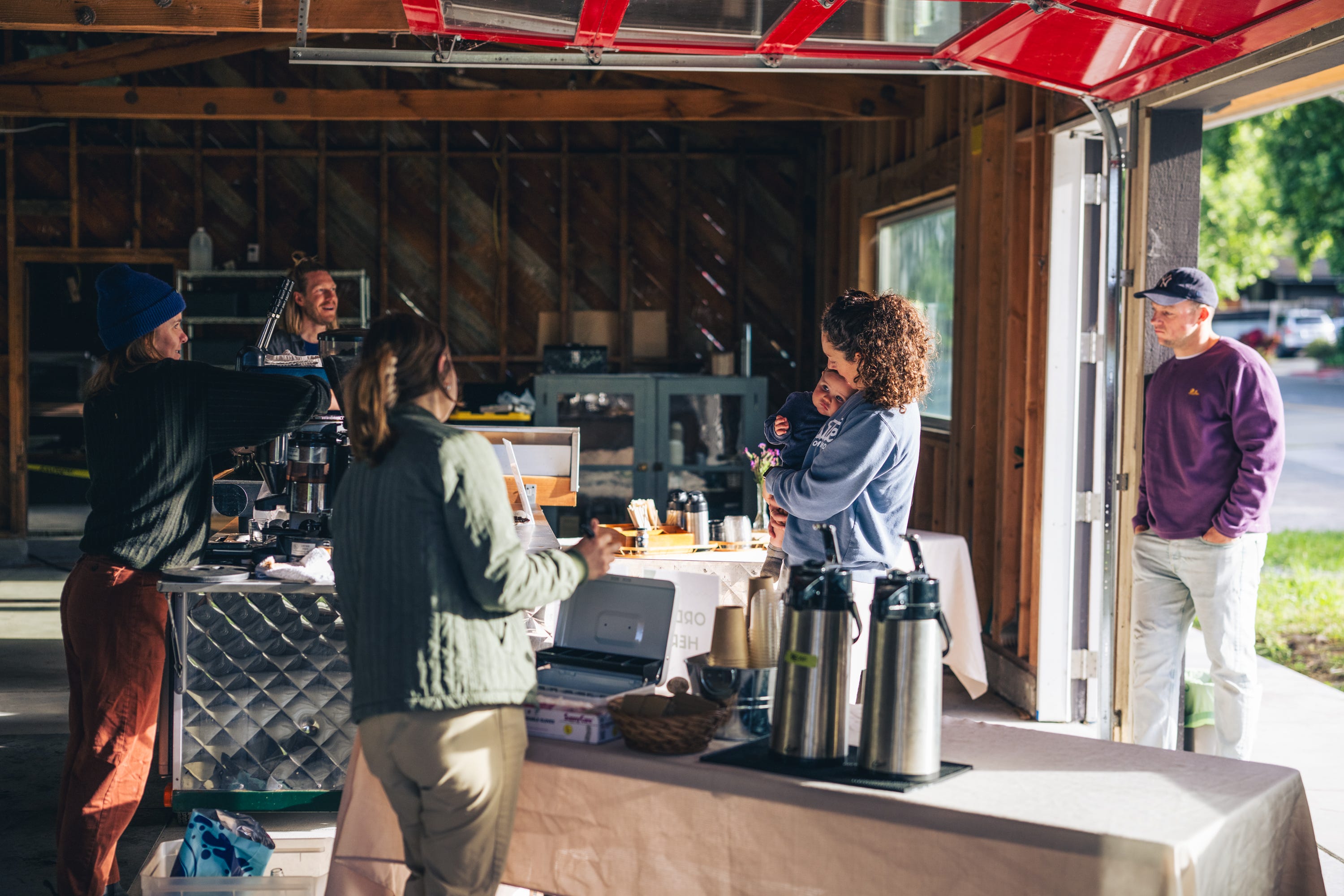
Residents can experience the project today through Graton Station’s weekend pop-ups, held every Friday, Saturday, and Sunday from 7:30 a.m. to 12:30 p.m. through the end of June.
The public is also invited to upcoming Community Investment Open Houses on June 13 and July 18, featuring coffee, pastries, construction tours, and conversations with the founders.
Graton Station is led by a founding team with deep experience in hospitality, food systems, entrepreneurship, and community-building. The project brings together Matt Jorgensen, founder of ReVillage, whose work spans local food ventures, community ownership, and economic development; chefs Adrian Apana and Ferrell Carter, whose experience includes SingleThread, Troubadour, Maison Porcella, Republique, Quail & Condor, and Stitt Restaurant Group; and operations leader Tori Immel, whose background includes Farmer’s Footprint, Summit Series, Deloitte, and regional community initiatives.
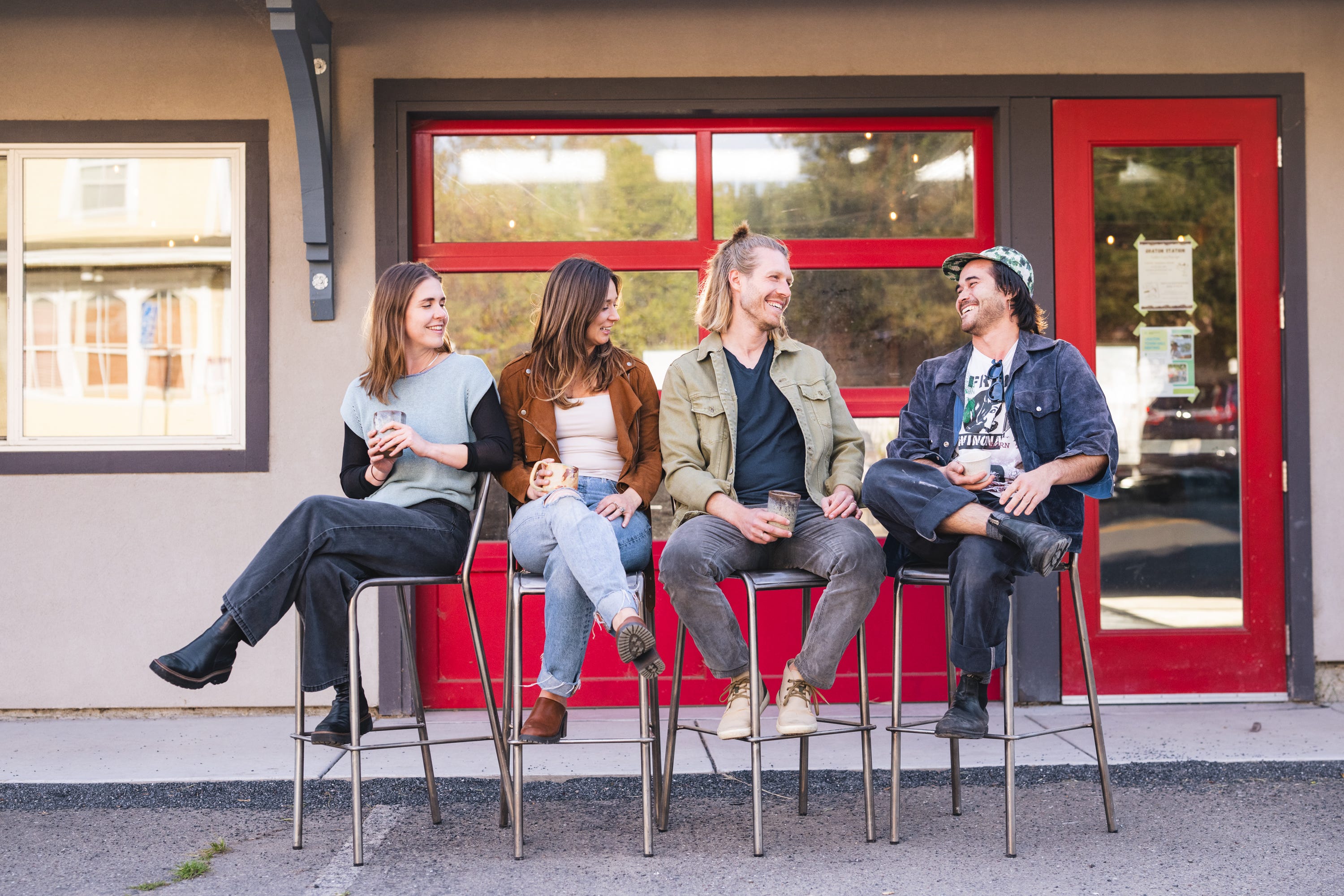
This is exciting for Graton and the broader West County community looking for a place to gather. The community ownership aspect sustains loyalty and financial support while ensuring that the business will not move, just as it is taking off. (How many times have we seen this happen everywhere, but particularly in West County?)
If you are interested in participating, attend a Community Investment Open House on June 13 or July 18 or contact the founders: invest@gratonstation.com. Be sure also to visit the June weekend pop-ups Fridays, Saturdays, and Sundays, 7:30 a.m.–12:30 p.m. Find out more at www.gratonstation.com.

Thank you, Dewey for yet again a great article on our community!
The law of the very few... in action.