

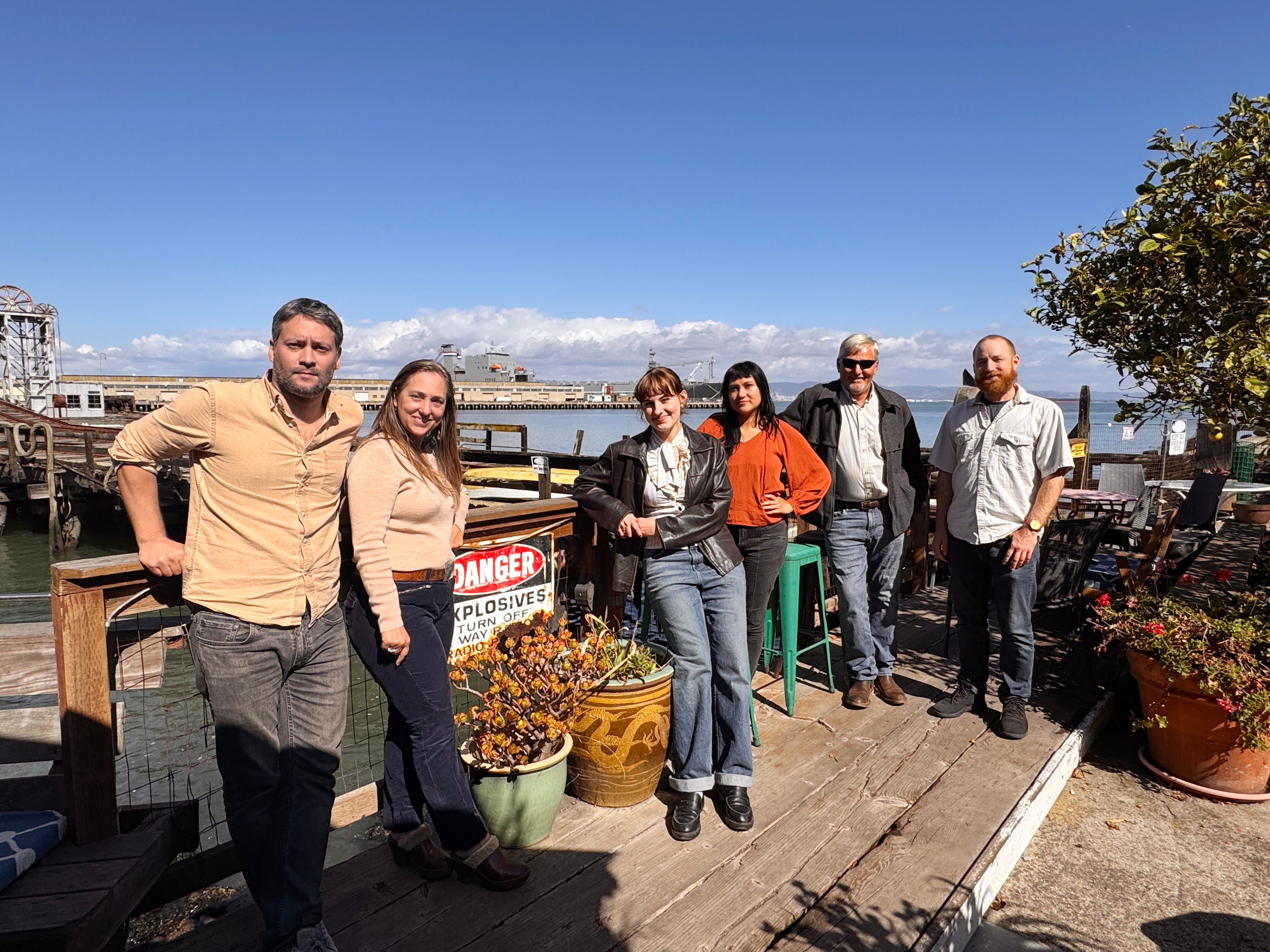
On July 8, the EPA announced that Pacific Reclaimed Lumber & Supply won a $400,000 award through Phase II of the Small Business Innovation Research (SBIR) program. Pacific Reclaimed Lumber & Supply, headquartered in Sebastopol, was one of nine small businesses chosen to receive funding for their solution to a complex environmental challenge.
What is Pacific Reclaimed Lumber & Supply?
Pacific Reclaimed Lumber & Supply (or PRLS, pronounced “pearls”) is an online marketplace that specializes in reclaimed lumber and other building materials. Guided by the mission to support the reuse industry, PRLS connects architects, builders, artists and woodworkers with reuse material sellers.
Nicole Tai, who is the current CEO of PRLS, explained she didn’t choose to go into the reuse industry, but that it came to her.
She attended UC Berkeley for Conservation and Resource studies and got a degree from UC Davis in Community Development. “This was back when the only jobs for people with those degrees were city planner, forester, or park ranger,” she said. But Tai didn’t want any of those jobs, so after school, she worked with organizations that did community gardening, recycling, composting and material reuse. Each summer she worked at a commercial tenant improvements business that her grandparents owned in the Bay Area.
Eventually, she moved to New York and, with a grant from Mayor Bloomberg, started a building materials reuse center.
When it was time, Tai took over her grandparents’ business. Since her background was in building reuse, the company’s focus shifted to deconstruction and material reclamation. The company, Green Lynx, now based in Santa Rosa, also operates a reuse store and lumber yard where they sell these reclaimed materials.
In 2017, Tai connected with two other colleagues from the Bay Area reuse community—Carrie Bachelder and Jim Steinmetz—to figure out how to grow their industry. They wanted to make it easier for reclaimers like Green Lynx to find buyers, and for buyers of reclaimed materials to connect with reputable sellers.
In 2024, PRLS went live. It’s essentially “eBay for reclaimed lumber,” Tai said.

“For folks who are seeking to procure reclaimed materials, it makes it much easier because we’ve already done the curation of our listers.”
The PRLS team spends time in the field with reuse industry professionals before they partner with them as sellers. “We’ve met them, we know what they do, we know that they are true reclaimed lumber or building material specialists, that they understand how to document where they get materials.”
She said companies like Home Depot often falsely market items as reclaimed or vintage.
“There’s no organic label. There’s no industry standard…We hope that in lieu of certification, you can go to the site and be guaranteed that these materials are reclaimed from various sources, whether its old wine tanks, or houses, or old buildings, farms, barns, you name it, an old dock, a boat, you never know where the material might come from.”
The PRLS platform sells all kinds of reclaimed items: lumber, paneling, pipes, doors, lighting, as well as items that are made from reclaimed materials. “We even have some folks that are making earrings and bracelets out of reclaimed copper piping.”
“If it comes out of a building, we allow it to be listed,” Tai said with a laugh.
Funds to grow
While PRLS has already built a strong network of buyers and sellers, their goal is a lofty one.
“Our mission is to promote and grow the reclaimed sector to reduce solid waste and climate emissions.”
Tai added, “Unfortunately, that mission isn’t necessarily aligned with making money, so it’s a little difficult to start out with such a lofty mission with investment money.”
She explained that the PRLS incorporated as a California Benefit Corporation, “so that we are beholden to our mission and not just our shareholders.”
Rather than focus on profits for PRLS owners and shareholders, PRLS is primarily concerned with profits for sellers on the website.
“The EPA award allows us to experiment and work with our community to determine what we can build without having investors over our shoulders.”
While the award was for $400,000, SBIR will match up to $100,000 in additional funds if PRLS secures a third-party investment.
The timing for this particular EPA award is convenient, since the International Code Council passed a new provision in the 2027 International Building Code, which will allow up to 90% of buildings to be built using salvaged lumber.
“This is pretty much a game changer for our industry because it provides architects and builders with the legal tools they need to use reclaimed lumber on new job sites,” Tai said.
“Currently most builders and architects are only comfortable using reclaimed wood for finishing materials like trim or paneling, things that are aesthetic, not structural. But this new code will pave the way for enabling reclaimed lumber to be used for framing houses.”
With the EPA award, PRLS plans to grow their team, as well as invest in software that includes “standardized terminology, quarterly or even annual sales data tracking, and a system for calculating environmental benefits.”
This new digital infrastructure will help them scale their online marketplace to reach all over the country and also allow the PRLS team to spend more time procuring reclaimed materials sellers, meeting them and ensuring that they do quality work.
Reclaiming wood
The process of reclaiming building materials is slow and hard work.
For example, Nicole Tai is currently working on a project that involves reclaiming wood from decommissioned wine tanks.
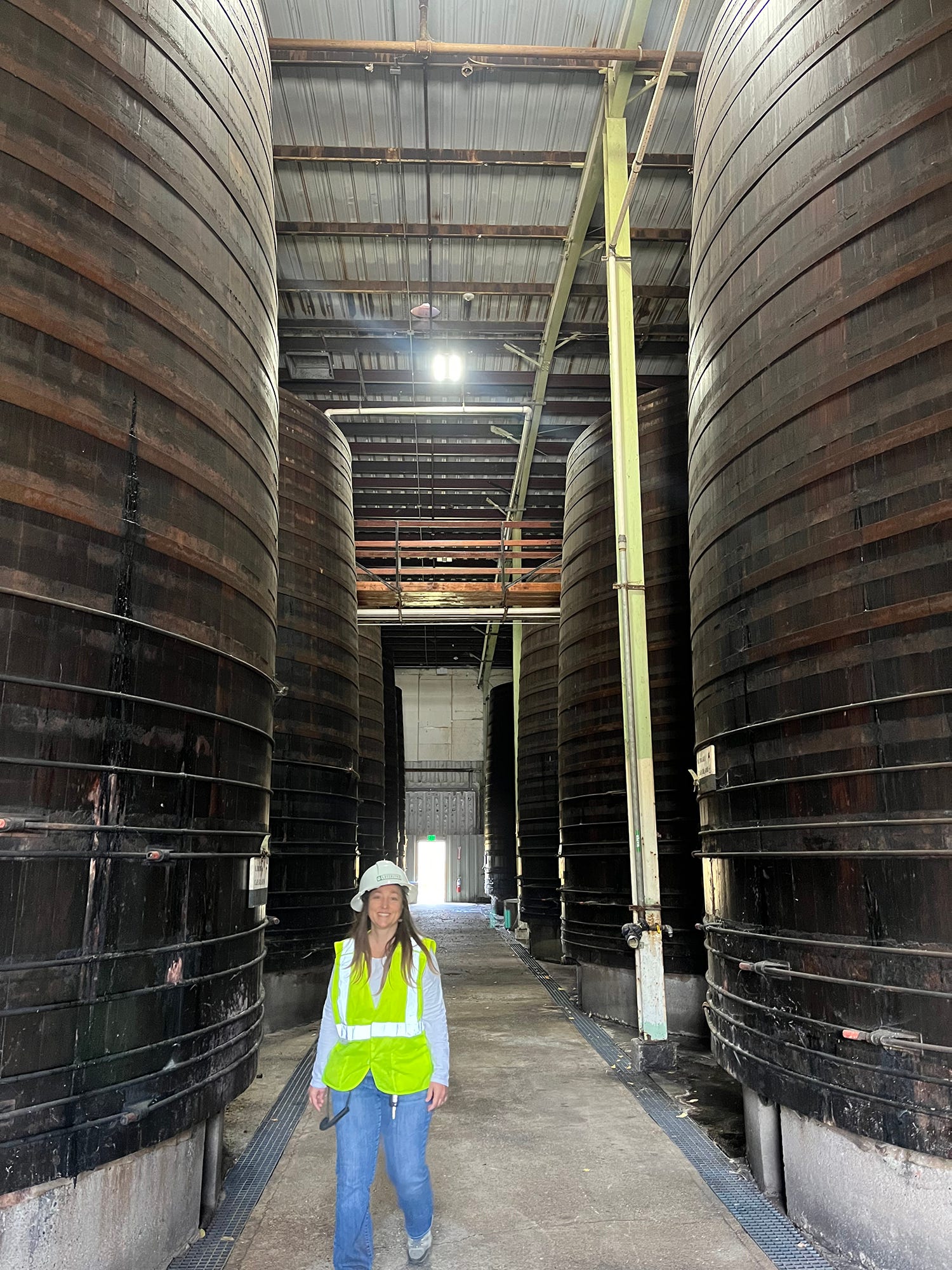
“We believe that we have the largest haul of old-growth redwood from a large winery—it was kind of an ’80s box wine winery—a huge facility near Hollister that is decommissioning all of their redwood wine tanks. It’s probably the largest inventory since about 1999 when they stopped cutting old-growth redwoods. Right now I think we have about 450,000 board feet of it. It’s about an acre to two acres of wood, 15 feet high.”
In the reclaimed lumber industry, this is a gold mine. Old-growth redwood is rare, and to encounter this much of it is even rarer.
It took her team—which included five employees who had just been laid off from the winery—six months to complete the deconstruction.
The time and expertise that go into reclamation is an investment in the quality of future infrastructure.
Tai said that over 37,000,000 tons of lumber and wood-based building materials are discarded in the US every year.
In addition to rescuing some of the waste created by demolition and renovation work, a regenerative marketplace also offsets the demand for virgin lumber, leaving trees to grow in forests for longer.
This not only allows for increased carbon sequestration, but older trees produce better quality lumber. “They’re stronger, more durable, more dense, and then there’s a lot less waste in the actual process of making lumber,” Tai explained.
In other words, creating a circular economy for lumber and building materials not only reduces solid waste, but in the long term, creates higher quality materials for builders and architects.
“Our culture is a throw-away culture at this point in time. Our vision is to build a platform that will help shift the global economic model towards regenerative reuse and toward making resource conservation and natural conservation a shared reality.”
With this new money from the EPA, this vision is more achievable.
Visit the PRLS website here.

I’m so happy to know about this resource!
Fascinating article. I’m so glad to have this GOOD news. Congratulations on your big award Ms Tai