



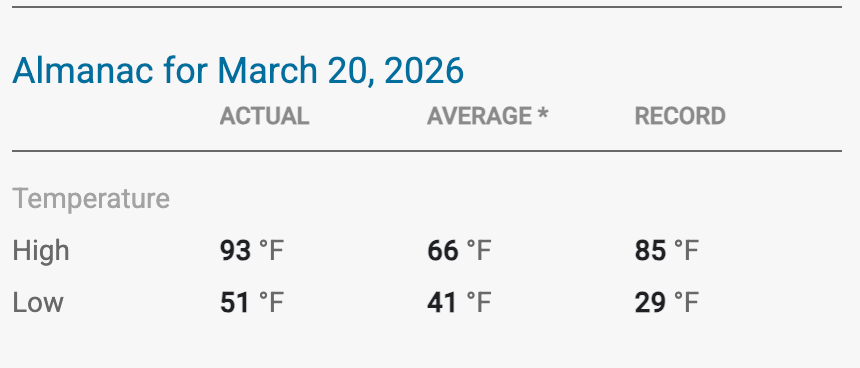
It’s like summer came before spring. This week, we’ve seen record high temperatures for March. Friday had highs of 93, as reported by several area weather stations listed on Wunderground.com. The previous high was 85 degrees.
His Mom and The Man
Alexander Rose bought a home in Sebastopol last fall so he could bring his mom there. “We’ve been looking for a place to have her move in with us because her health was declining for the last two years,” he said. Rose is a designer and futurist and he recently stepped down as Executive Director at The Long Now Foundation after 27 years. Also this fall, Rose was invited to submit a design concept for The Man at Burning Man, which had a deadline of early January for the submission.
“We moved to Sebastopol in November. She was able to join us in December before Christmas, and then she passed away at the end of January,” he said. During the time they had together, he began sharing his designs, based on the world’s oldest tree, Cryptomeria Japonica.
Rose grew up in Sausalito “in a junkyard” and his mom got into politics in Sausalito and Marin to help save the Sausalito working waterfront and artists who worked lived and worked there. “She ran both a gallery and the theater company of my stepfather. She wasn’t an artist herself in the classic sense of the word, but she was always an advocate for the arts and helping people do events.” She had been to Burning Man herself once or twice.
“I started sketching ideas over the holidays, not even sure I’d submit,” Rose said. Sharing his design process with his mother meant that “Instead of retreating into a computer and doing everything in CAD—as I normally would—I kept the process more manual and conversational. I’d sketch, run iterations, and sit with her, talking through the design. As I did it, she got to see it.”
Three renderings of Rose’s Cryptomeria:
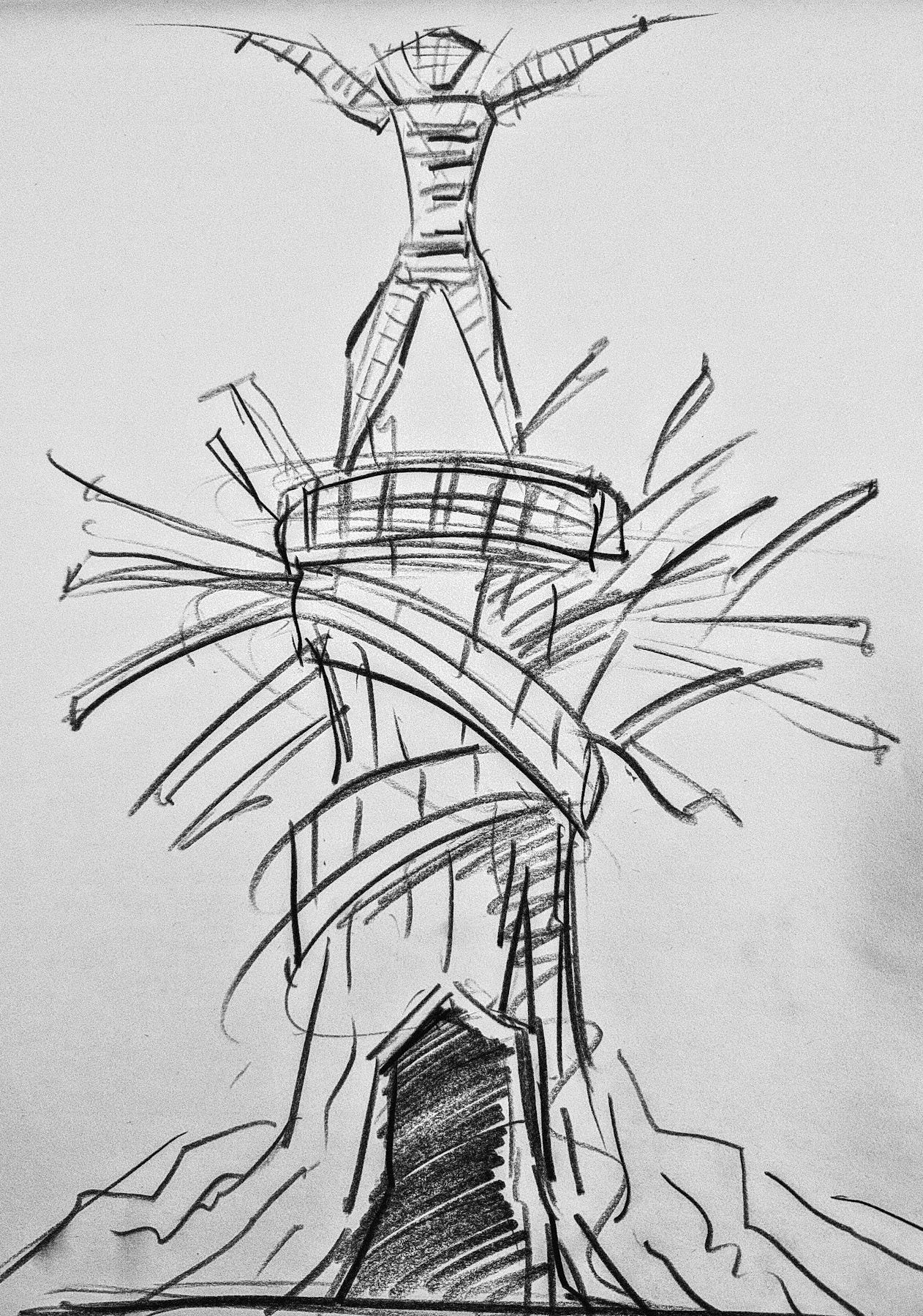
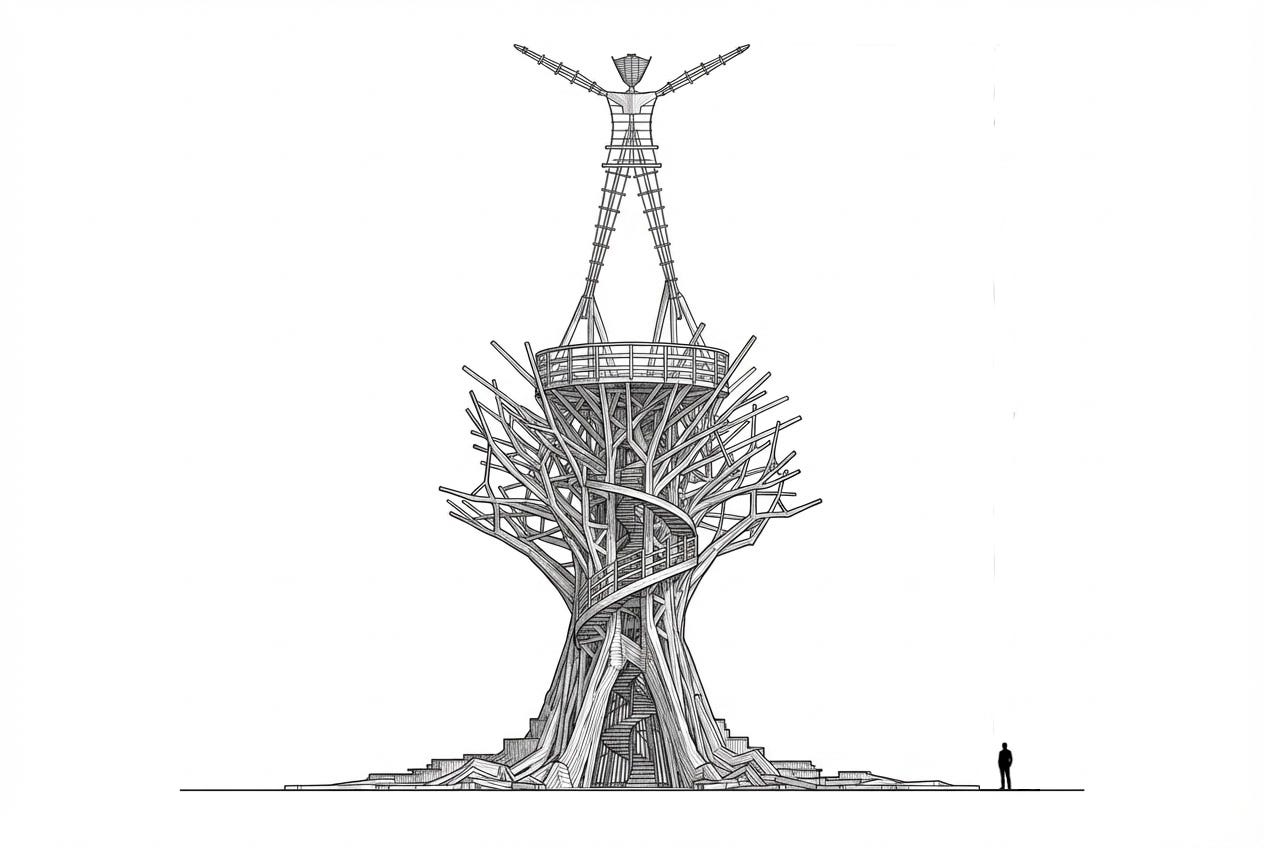

They were able to talk about how his design would be realized at Burning Man, what it could mean. “It was this magical way of doing what would normally be a very technical process for me,” he said, “but I got to do it in this much more conversational and social way with her.”
Earlier this week, The Burning Man Project announced that Rose’s design was selected. For the full interview with Alexander Rose, see my article, Designing the Man for Burning Man, on Make:’s Substack.
Canadian couple adopts John and Lonna Necker
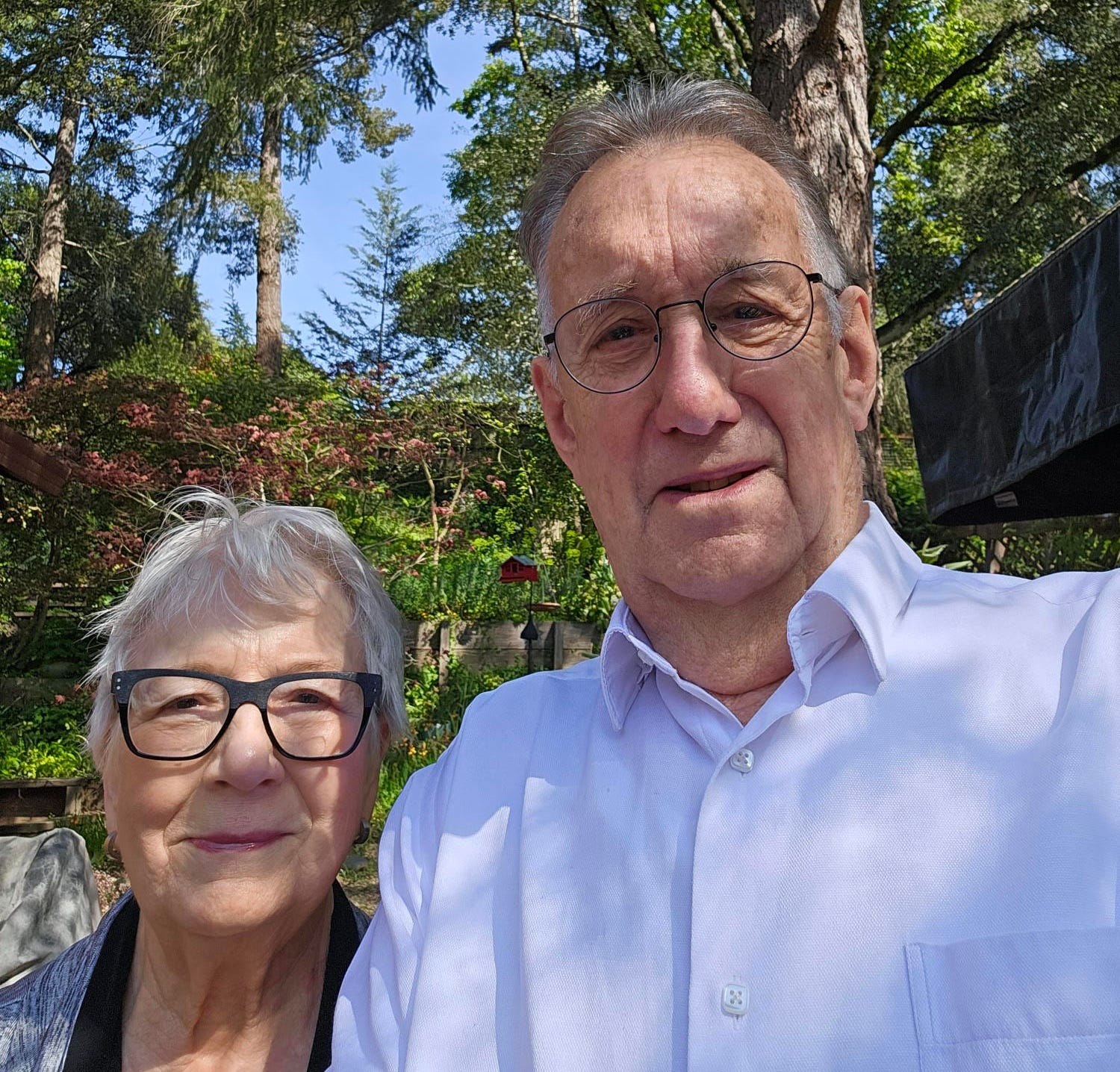
Remember last year when, weary of Trumpistan, Sebastopol’s John Necker placed a letter in the Toronto Star and offered himself and his lovely wife, Lonna, up for adoption by any willing Canadian. He got two offers, and John hit it off with one of them: Claude Giroux, from Wakefield, Quebec, a town about the size of Sebastopol.
Giroux, amused by the letter, said, “I called him, introduced myself and asked if they were still up for adoption.”
They’ve been chatting regularly ever since and commiserating about You Know Who.
“I think it’d be fair to say that President Trump lives rent-free in my head and in his too,” Necker said of Claude, whom he jokingly calls “Dad.”
The Neckers are going to visit Claude and his wife, Penny, in Quebec this September. They will be staying at an inn called Les Ancêtres on an island in the middle of the St. Lawrence River to enjoy the fall colors.
Big event today on organizing to resist federal immigration crackdowns
Former Sebastopol Mayor Una Glass may have retired from the city council, but she’s still hip-deep in politics, organizing with the Working Families Party and shepherding local candidates for political office.
She is also one of the organizers of a big event in Petaluma today, the North Bay Unites Noncooperation Training, which happens from 12 pm to 6 pm, at Petaluma Veterans Memorial Hall, 1094 Petaluma Blvd. S., Petaluma. This six-hour teach-in will provide North Bay residents with civil disobedience and collective non-cooperation strategies to oppose the kind of federal immigration enforcement efforts seen elsewhere around the country.
“It is very important that we as a community be well trained if there is a federal deployment here as we have seen in Minneapolis and Los Angeles,” Glass said. “We must meet the moment by defending the democratic values dear to us here in Sonoma County.”
An introductory session on non-cooperation runs from 12:30 pm to 3 pm and will be followed by workshops and then neighborhood (or pod) organizing.
This event has the backing of every progressive organization in Sonoma County, from the Sonoma County Democratic Socialists of America to the Sonoma County Democratic Party—a feat of organizing which Glass characterized as something of a miracle. Learn more about this event and see the full list of sponsoring organizations here.
A Day at the Opera
By Dale Dougherty
On Saturday, I (Dale) went to see Tristan und Isolde at the Metropolitan Opera, which is broadcast live from NYC to the Rialto Cinemas here in Sebastopol. About 120 people had the same idea, arriving at 9 am for the show, which lasted over five hours, making it a rather long day at the opera. It actually didn’t seem that long, however, in an opera about ceaseless longing.
A New York Times critic called Wagner’s Tristan und Isolde at the Metropolitan Opera “the event of the season.” The new production features Lise Davidson whose soprano “can rattle your skull with its resonance and leave you awed by power you almost never hear in the human voice,” said the Times.
The opera is shown in the large theater at the Rialto. The visuals of the abstract, high-tech set and the close-ups of the singers were stunning. During two half-hour intermissions, the production took viewers backstage to hear from the performers, conductor, set designers, costume designers and director. I liked seeing the other side of the stage, with equipment rolling around and props being put into position by stagehands.
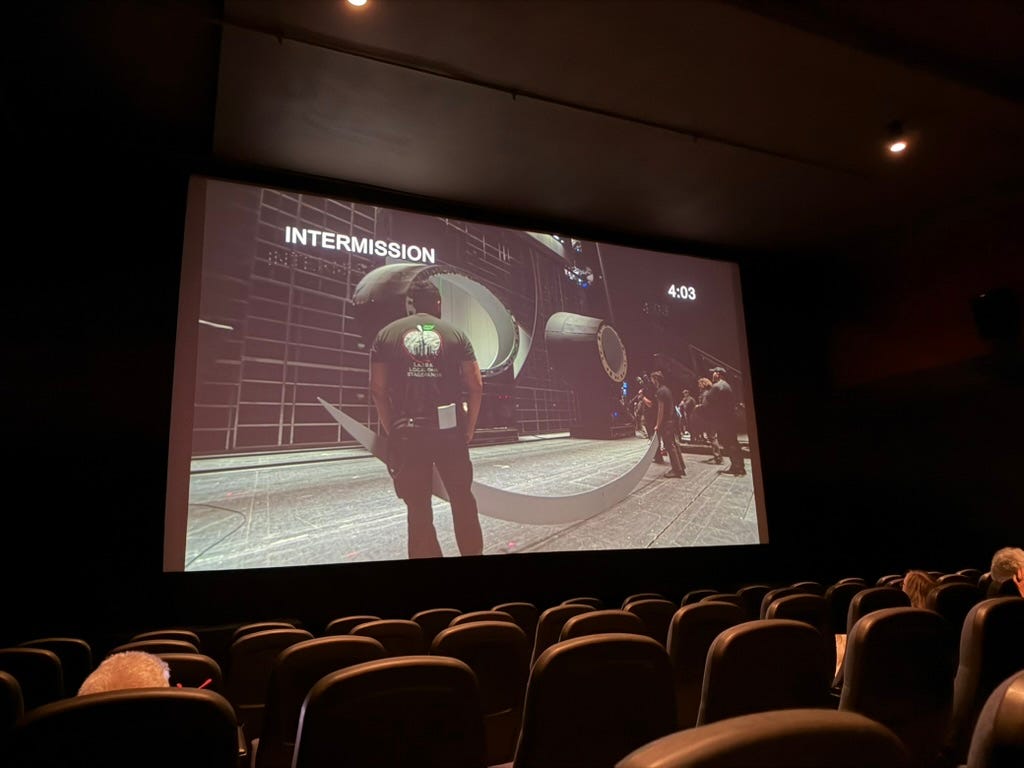
Additional performances this week are on Wednesday March 25 at 1 pm and 6:30 pm. (See the Rialto website for upcoming Live Met Operas and other events.) All the performers say this opera is a marathon, but you don’t have to do anything yourself but take it all in.
What makes a place walkable?
By Nancy C. Dougherty
About 30 people gathered at the City Plaza on Saturday for the walk led by Paul Fritz, architect, urbanist and a member of the Planning Commission. Paul talked about ways to think about their ‘walkability’ and why this matters for Sebastopol. People asked a lot of questions on the tour, which started in The Barlow.
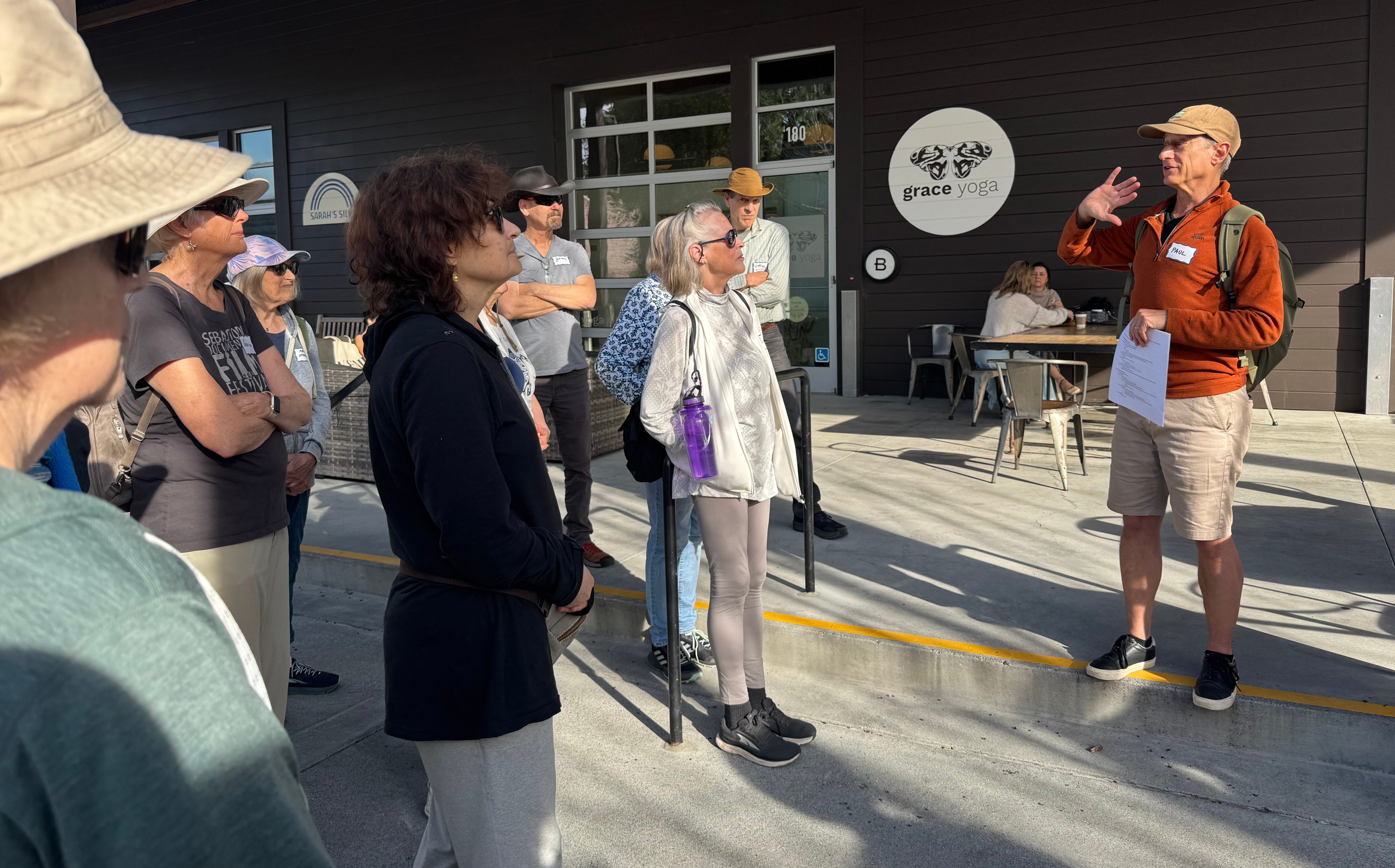
Fritz described how The Barlow succeeds in creating a pedestrian-friendly environment through its variety of spaces such as the kids play area, the outdoor seating, and wide sidewalks shaded by trees. Cars move slowly, with intentional stop signs and the two-way traffic. Highway 12, the next leg of the walk, is a stark contrast with cars going in and out of the many parking lots. Lacking trees, the sidewalks along the highway are hot.
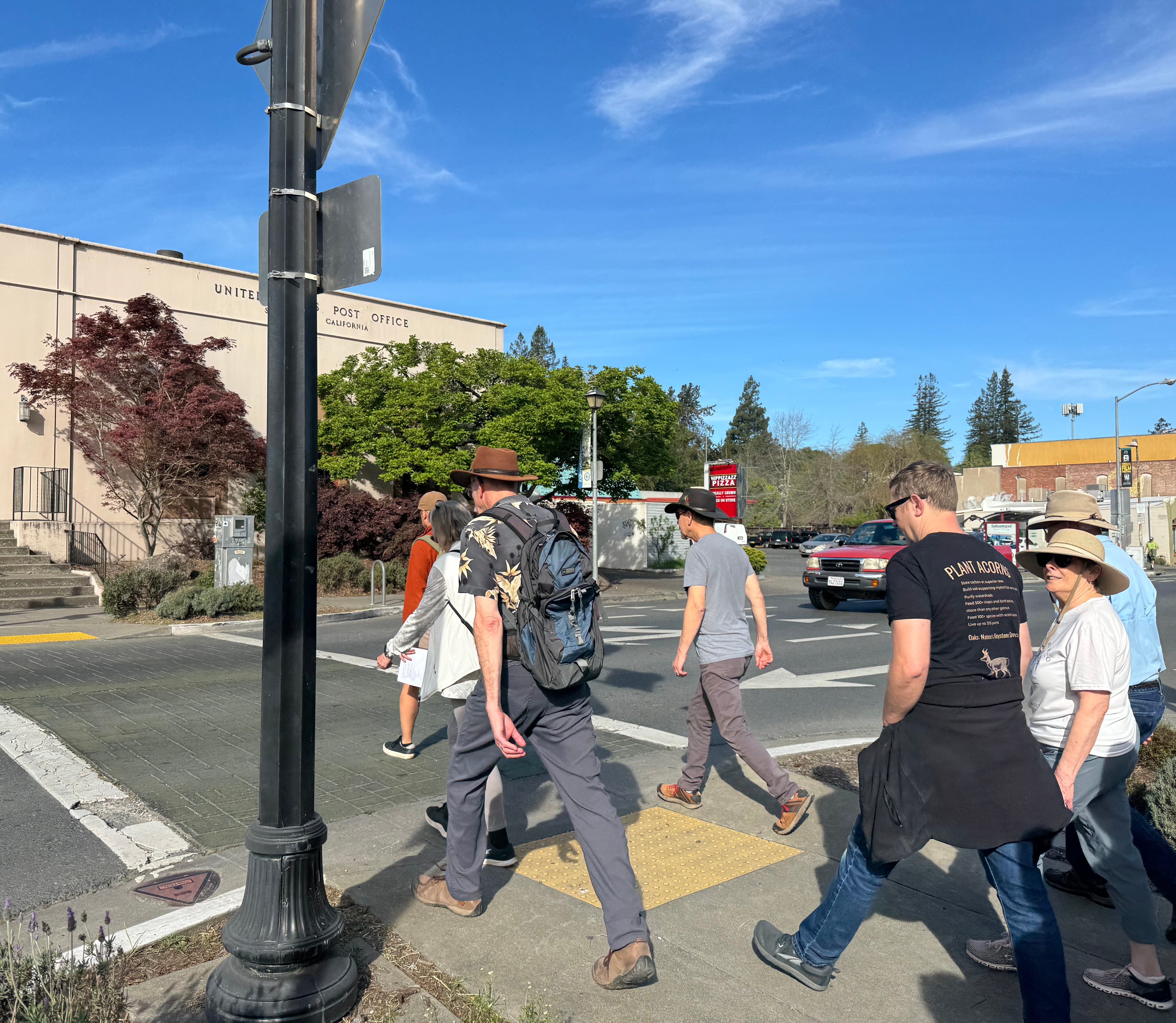
From The Barlow, we stopped at CVS before going to the Rodota Trail then back up Main Street. Paul noted that it is the design of roads, rather than the posted speed limit, that sets the speed of traffic. At each of these stops, Paul pointed out what was working and where there were obstacles to the walkability—all in a broader context of the city zoning and the culture of its period. He talked about several dangerous intersections in town that pose safety risks including Covert Lane near Pacific Market and the intersection of Jewel and Willow, which has become a shortcut from Bodega Hwy to Main Street. Another is by the corner of CVS where pedestrians have to cross a busy ‘slip lane’ that feeds cars on to Highway 12.
The tour continued through the older neighborhood on Wilton Avenue and then to the newer neighborhood of Brook Haven School. He explained how the zoning codes changed over time. Walking past the older smaller homes along Wilton Ave. and then into the neighborhoods of Brook Haven School, we could see the change in homes after the 1940s to larger lot sizes and wider streets. Garages on Wilton Ave were at the back of houses, off alleyways, but 1940s homes have garages attached in front.
After we walked about for 3 hours, experiencing street crossings and various widths of sidewalks, even the noise of traffic, we were able to appreciate Sebastopol on foot. Paul made a good case for a more walkable city with safer roads and walkways.


Evidently, Claude and Penny Giroux didn't interview anyone from Sebastopol who knows John Necker because if they did, the adoption would have been called off. : )
From Mr. Necker original letter: "Since immigrating to Canada from the United States has become more problematic lately [...]", I'm curious, what exactly has changed? Has the US introduced exit visas? Has Canada restricted immigration from the US specifically? I guess it's your decision to allow the current President to live in your head rent-free, but beware of it becoming a reality distortion.